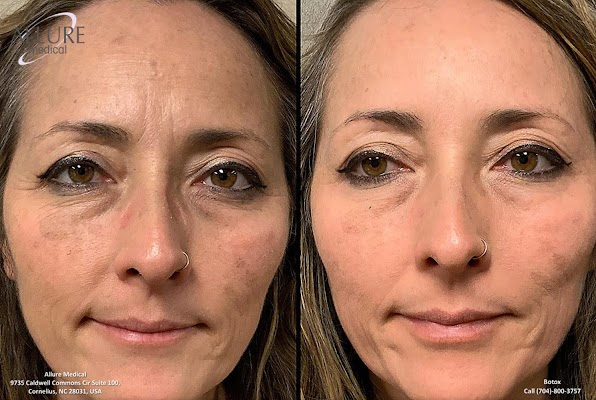
The first night after Botox is when good aftercare pays off. Those tiny injection points represent your investment, and how you sleep, wash your face, and move your body can influence how evenly the product settles, how quickly swelling fades, and how your results look at day 14 when Botox reaches its peak.
I have guided thousands of patients through this window, from first time Botox for frown lines to masseter Botox for jawline slimming. The priorities are simple: minimize unnecessary pressure on treated muscles, reduce swelling and bruising, and keep product where you want it. Small choices, like skipping a hot yoga class or delaying a facial massage, can make a visible difference.
What exactly is happening under the skin
Botulinum toxin binds to nerve endings that signal muscles to contract. Binding begins within hours, initial effects appear in 2 to 5 days, and full results land around day 10 to 14. The product does not “move” freely after injection, but heavy pressure, heat, and increased blood flow could potentially shift diffusion or increase bruising in the first several hours. That is why aftercare focuses on the first day, then gradually loosens.
Doses vary by area and goal. A typical plan might include 10 to 20 units for 11 lines, 6 to 12 units for crow’s feet, 8 to 20 units for horizontal forehead lines, or 15 to 50 units per side for masseter Botox depending on jaw strength. Your injector’s technique and your anatomy matter more than rigid unit counts. Aftercare, however, is consistent across cosmetic Botox, medical Botox for TMJ pain, and even specialized options like Botox for trapezius slimming.
The first 6 hours: protect your placement
This is the window where the most avoidable mistakes happen. Right after your appointment, leave your face alone apart from gentle expressions. If you asked your injector about “can I work out after Botox,” this is the time to say no. Allow the tiny entry points to close and the product to begin binding where intended.
A brief anecdote will illustrate the stakes. Years ago, a marathon runner came for Botox for forehead wrinkles and crow’s feet, then headed straight to a hot spin class. She did not budge on resistance or temperature. She came back ten days later with patchy results and yellow-green bruises along the orbital rim. Nothing dangerous happened, but she needed a conservative touch up and an extra week before photos. She now books late afternoon appointments and gives herself an evening off. Her results have been consistently smooth.
Sleeping after Botox: positions that help, positions that risk problems
Patients often worry about sleep more than anything else. The truth is, you do not need to stay fully upright all night or skip sleep. You do want to minimize direct compression on freshly treated areas.
If you had Botox in the upper face, sleeping on your back the first night is ideal. Use one or two pillows to keep your head elevated slightly. This reduces swelling and minimizes the chance you will bury your forehead into the pillow. If you are a side sleeper by habit, position a travel pillow around your neck or place a firm pillow behind your back so rolling requires extra effort. Those small cues keep you facing up without a struggle.
If you had masseter Botox for jaw clenching or jaw slimming, back sleeping still helps, but the stakes differ. Pressure on the cheek can make the masseter feel tender the next day. It will not destroy your outcome, yet avoiding firm compression is smart. Some patients use a silk pillowcase because it drags less on the skin and feels more comfortable with any post injection sensitivity.
If you had neck Botox for platysmal bands or trap tox for trapezius slimming, try to avoid extreme neck flexion the first night. A slightly elevated, neutral neck position reduces soreness and helps you wake with less stiffness.
As for timing, the old rule of “do not lie flat for 4 hours” is a safe habit. If your visit ends at 2 pm, aim to stay upright until early evening. After that, sleeping on your back is fine.
Skincare after Botox: what to use, what to skip, and why
Your skincare can support healing, or it can irritate injection points and prolong redness. You do not need a whole new routine, but a few temporary swaps help.
Cleansing: the night of treatment, rinse with cool to lukewarm water and a gentle cleanser. Pat dry. Avoid washcloth scrubbing or facial devices. The goal is clean skin without friction.
Active ingredients: skip retinoids, AHAs, BHAs, vitamin C serum, and benzoyl peroxide for 24 hours on treated areas. They are excellent long term, but right after injections they can sting and inflame open channels. Resume them the next evening unless your skin still looks reactive.
Moisturizer: a simple, fragrance free cream or gel formula is perfect. If you are prone to redness, a light moisturizer with niacinamide can soothe without clogging.
Sunscreen: use it daily, as usual. Choose a lightweight mineral or hybrid sunscreen to reduce the urge to rub. Gentle application matters more than formula differences on day one.
Makeup: if you need coverage, mineral makeup or a light skin tint applied with a clean sponge is acceptable after 4 to 6 hours. Dab, do not buff. Replace the sponge within a day to avoid bacteria in fresh channels.
Facials and devices: hold off on microcurrent, gua sha, jade rollers, or vigorous facial massage for at least 24 hours, preferably 48. Microneedling and laser sessions should be scheduled on a different day. LED light is typically safe but avoid the heat of steam or strong infrared for the first day.
Activity after Botox: from desk work to deadlifts
Think in tiers. Light activity is fine. Heavy, hot, or head‑down activity can increase swelling or draw blood to the face more than necessary during the first day.
Light movement like walking, gentle cycling, or easy errands is acceptable after a few hours. Keep intensity low. Desk work, meetings, and cooking dinner pose no risk.
Moderate to heavy workouts should wait 24 hours. That includes running, weight training, HIIT, and hot yoga. High heat loosens vessels and can exacerbate bruising. Inverted positions like downward dog put pressure on facial vessels. Give your face one day off. If you had extensive dosing, like masseter Botox cost levels of 40 to 60 units, you may appreciate 48 hours off simply for comfort.
Saunas, steam rooms, and very hot showers should be delayed 24 hours. Heat is not dangerous to the toxin’s function but can worsen swelling and bruising.
Air travel is generally fine the same day. The cabin is dry, so hydrate and use a bland moisturizer. If you are prone to swelling, a soft neck pillow can keep you off your side during a nap.
Alcohol should be avoided the day of treatment. Alcohol dilates vessels and can make bruising worse. If you have a dinner planned, choose sparkling water or a mocktail, then enjoy a drink the next night.
The 48 hour rule, explained with nuance
Many clinics give a simple 24 hour rule. In practice, most swelling and redness fade within that time, but certain choices are still worth delaying until 48 hours after treatment, particularly if your injector worked near the brow or eyelids.
Heavy facial massage, deep exfoliation, and steam facials are better postponed for two days. Anything that kneads tissue can press on injection sites. With brow work, this reduces any tiny risk of brow droop from unintended diffusion into elevator muscles. The risk is already low with skilled placement, but aftercare can tip the odds further in your favor.
If you received Botox for underarm sweating, sweaty palms, or scalp sweating, the aftercare differs slightly. You can resume most activities the next day, though high heat and friction on the treated zone can feel tender. Strong antiperspirants or acids on the same day can sting, so pause them for 24 hours.
Bruising and swelling: what is normal and what helps
Even with careful injection, a small bruise can appear. The area around crow’s feet bruises more easily because the vessels are fine and close to the surface. The glabella can bruise if a vessel is nicked. These are inconveniences, not complications. Bruises often start purple, shift to green and yellow, and fade within a week.
Two steps help most patients. First, cool compresses in short intervals for the first few hours. Avoid ice directly on skin. Second, avoid alcohol, high dose fish oil, and NSAIDs right before and right after treatment, unless your physician says otherwise. If you use aspirin for medical reasons, do not stop it for cosmetic procedures without clearance.
Topical arnica or bromelain can help some patients, though evidence is mixed. I have seen arnica gel reduce the look of mild bruises by a day or two. If you have an event coming, schedule Botox 2 to 3 weeks in advance. That gives time for bruises to clear and for a small touch up if needed.
Headaches, heaviness, and the odd twinge
Mild headaches can occur after Botox, especially around the glabella and forehead. They usually resolve within 24 to 48 hours. Hydrate, rest, and use acetaminophen if needed. Avoid NSAIDs on day one if you want to minimize bruising.
A feeling of heaviness in the forehead may show up as the frontalis muscle starts to relax, especially if you received Botox dosage for forehead lines that is higher than your previous visit. This sensation typically settles over a week as you adapt to the new balance of muscle movement. If heaviness is pronounced or your brows feel lower than desired, contact your injector. Minor adjustments exist, but the best fix is preventive dosing and placement at the next visit.
Makeup, washing, and the four‑hour mark
Patients often ask, “Can I wash my face after Botox?” Yes, after a few hours, with gentle pressure and cool to lukewarm water. The four hour mark is a simple rule. Before four hours, avoid washing, mask application, and makeup. After four hours, go slow and light. Dab rather than scrub, pat rather than rub. Sleeping after Botox is easier if your skin is clean and comfortable.
How long does Botox take to work, and what to expect day by day
If this is your first time, the Botox results timeline helps set expectations. Subtle changes can begin in 48 hours. You may notice that the 11 lines do not etch as deeply when you frown. By day 4 or 5, the forehead is smoother at rest. Crow’s feet soften with smiling by day 7. Full effects usually appear at day 10 to 14. That is the right time for photos or a review.
Results last 3 to 4 months for most cosmetic areas. Masseter Botox for jaw clenching can last 4 to 6 months once you are on a maintenance schedule. Daxxify may last longer for some, while Xeomin and Dysport are comparable to Botox with subtle differences in onset or spread. Cost varies by market. Patients often ask how much is Botox per unit. Prices commonly range from 10 to 20 dollars per unit, with total session prices reflecting the area treated. For example, Botox cost for forehead lines can run a few hundred dollars, while masseter botox cost is higher due to dosing.
Keeping results natural while avoiding a frozen look
Outcomes reflect both technique and dosing. If you prefer movement, discuss baby Botox or micro Botox, which use smaller units spread out strategically. Preventative Botox in your 20s and 30s tends to use fewer units and longer intervals. If you want to lift the tail of the brow for hooded eyes, a precise pattern can create a Botox eyebrow lift at modest doses. If you speak on camera or present in meetings often, preserving some frontalis activity helps avoid a flat expression.
Aftercare supports this by avoiding behaviors that might change how product settles. Vigorous rubbing, facials on the same day, and hot, head‑down workouts are the common culprits. They do not create a frozen face, but they can contribute to asymmetry that needs a touch up.
Touch up timing and why Botox sometimes seems to “wear off” early
Two issues get confused. First, if you see unevenness after ten days, that is a touch up question, not a wear off. A unit or two in a specific point usually resolves it. Many clinics prefer to evaluate at day 14 before adding more.
Second, if your Botox seems to wear off early at eight weeks instead of twelve, several factors could be at play. Strong baseline muscle strength, higher metabolism, intense exercise routines, and large facial expressions for work roles can shorten longevity slightly. Certain areas like the lips, when using Botox for a lip flip, tend to fade faster due to constant motion. Align dosage to your pattern, and remember that how to make Botox last longer often includes steady scheduling rather than giant gaps between visits.
Special areas and their aftercare quirks
Lip flip: expect mild lip weakness for whistling or using a straw. Avoid forceful lip massage for 24 hours. Eating and speaking feel normal for most, though sipping hot drinks can feel different the first day.
Bunny lines: do not pinch or massage the sides of the nose. These points bruise easily. Concealer the next day is fine with gentle tapping.
Chin dimpling or orange peel chin: avoid propping your chin in your hand while you read or scroll for the https://www.youtube.com/channel/UCi60gNLWbMzJaeY9sOqewhQ evening. That pressure can be surprisingly firm and is a common habit.
Neck bands and trapezius slimming: limited stretching that night, then normal activity the next day. Skip deep tissue massage for a week on the injected area to avoid extra soreness.
Medical Botox for TMJ pain or jaw clenching: soft jaw movements are fine, and many patients feel relief from tension within a week. Avoid chewing very tough foods the first day if tenderness is present.
Hyperhidrosis: armpit treatments may feel tender for a day when you lower or raise your arms. Consider a soft, breathable shirt and avoid heavy deodorants for 24 hours.
One concise checklist for the first 24 hours
- Stay upright for 4 hours, then sleep on your back with slight head elevation the first night. Keep workouts, hot yoga, saunas, and steam off your schedule for 24 hours. Cleanse gently with cool to lukewarm water, no scrubbing or devices. Skip alcohol and avoid heavy facial massage or pressure on treated areas. Use light moisturizer and sunscreen, and delay strong actives until the next day.
When to call your injector
Most side effects are minor, brief redness, pinpoint swelling, light headache, and tiny bruises. There are a few red flags. If you notice new, significant eyelid drooping within 3 to 7 days, contact the clinic. Early evaluation helps. If you have uneven smile after perioral work or a pronounced brow droop, a professional assessment clarifies whether waiting, drops, or a micro‑touchup is appropriate. If you experience spreading weakness outside normal patterns or any allergic reaction signs like hives or difficulty breathing, seek urgent care. These are rare, but knowing the plan brings peace of mind.
Planning the appointment for your lifestyle
If you ask your phone for botox near me or botox injections near me, select a provider who asks about your schedule. For example, if you want to get back to the gym fast, book a late afternoon slot, rest overnight, and you can train the next evening. If you need same day Botox appointment availability around lunch, keep your afternoon light and skip makeup until later. For events, the best timing is two weeks prior. That gives room for results to peak and for a targeted touch up if needed.
Price transparency matters. If you compare botox price per unit or search how many Botox units do I need, remember that per unit cost only tells part of the story. Injector skill, placement for a natural look, and conservative mapping for first timers reduce the chance of corrections later. If you are looking for affordable Botox near me, ask about botox specials near me or botox deals near me, but prioritize experience and safety over discounts.
Combining Botox with fillers or other treatments
Botox and fillers on the same day can be done safely with careful sequencing. I prefer to complete toxin injections first, then move to filler with minimal pressure on fresh points. If you are new to both, consider spacing them by a week so you can isolate any side effects and understand how each product changes your features.
For migraines or muscle pain, medical botox injections follow different patterns and doses, often covered partially by insurance when criteria are met. Botox for chronic migraines is performed on a set protocol across the scalp, temples, neck, and shoulders. Aftercare remains similar: gentle movement, no heavy heat or massage the first day, and light skincare.
Why aftercare changes with repeat treatments
Your face learns a rhythm. After a few cycles, many patients need fewer units or longer intervals. The muscles weaken slightly over time, requiring less product for the same result. Your aftercare might feel easier too, because you learn the two or three triggers that most affect you. Some people never bruise, even with crow’s feet work. Others bruise with a whisper of pressure and plan their workouts and makeup accordingly. Track your personal patterns.
A final note on expectations and follow through
The best results come from two partners, a skilled injector and a patient who respects the first day. The steps are modest and practical. Sleep on your back, keep the heat and pressure away for a day, use gentle skincare, and schedule your check at two weeks if your clinic offers it. If an area looks stronger than you like, a unit or two can balance it. If you want more movement for a natural result, ask for lighter dosing next round. The process is iterative.
If you are choosing a provider, search terms like cosmetic Botox near me, top rated Botox near me, or Botox consultation near me can help you find a clinic that fits your goals. Bring questions about how often to get Botox, botox brow lift cost if you need arch support, or lip flip vs filler if you want subtle lip changes without volume. A thoughtful plan plus simple aftercare makes the difference between acceptable and excellent.
Quick reference for special cases
- First time Botox what to expect: slight pinches, brief redness, no real downtime, early softening by day 3, full results by day 10 to 14. Keep aftercare conservative the first day. Botox for men: typically higher doses in the frontalis and masseter due to stronger muscle mass, but the same aftercare rules apply. Avoid heavy workouts on day one. Botox while pregnant or breastfeeding: generally not recommended. Discuss timing with your physician and injector. Plan treatments before trying to conceive or after nursing. Botox vs Dysport vs Xeomin vs Daxxify: subtle differences in onset and diffusion. Aftercare is the same. Dysport may kick in a touch faster for some. Daxxify may last longer for select patients. Xeomin lacks complexing proteins, which some prefer. Price and availability vary by clinic.
The small habits that extend results
Consistency wins. Book your next session at the 3 to 4 month mark for facial lines, and 4 to 6 months for masseter or trapezius if your results last longer. Keep your skincare steady, including sunscreen that prevents squint lines from reforming. If budget matters, discuss targeted zones rather than a full face every time. Treating the glabella alone can soften your entire expression. For those comparing how many units for 11 lines versus how many units for crow’s feet, your injector can prioritize the areas that move most on your face and trim elsewhere.
A short troubleshooting guide if something feels off
- Mild unevenness at day 7: wait until day 14 before judging. Muscles settle at different speeds. If still uneven then, a micro touch up helps. Headache after injection: common and temporary. Hydrate and rest. Use acetaminophen if needed. Brow heaviness: often resolves as other muscles compensate. If you are uncomfortable, contact your clinic to assess whether relaxation of a pulling muscle elsewhere can rebalance the brow. Small bruise: conceal with gentle tapping. It will fade. Avoid picking at any tiny scab at an injection point. Why Botox didn’t work last time: could be underdosing, strong baseline muscles, technique, or timing. Review your goals and expressions with your injector. Adjust units and mapping rather than abandoning treatment.
Your aftercare is short and specific: a few no’s on day one to secure a result that lasts months. You do not need elaborate routines or expensive add ons. You need a plan, a calm evening, and the right expectations. If you have been searching for botox treatment near me or best botox near me, bring this aftercare framework to your consultation. It shows your injector you are invested in a natural, durable result, and it sets you up to like what you see in the mirror at day 14 and beyond.